Most instructions for breast augmentation begin before you arrive in Japan. If you are traveling for surgery, follow the written plan provided by your surgeon.
This plan includes details about your health history, medications, vaccinations, smoking habits, and fasting instructions for the day of surgery.
Written by
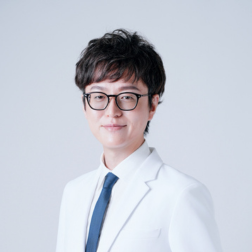
Noriyuki Ishizuka, MD
Director, ARIEL.BUST.CLINIC
Dr. Noriyuki Ishizuka is a board-certified plastic surgeon in Nagoya, Japan, specializing in breast augmentation (including fat transfer) and liposuction. In his articles, he explains the benefits, limitations, and risks of each option from a surgeon’s point of view.
Board-certified plastic surgeon, Japan Society of Plastic and Reconstructive Surgery (JSPRS) / Board-certified aesthetic surgeon, Japan Society of Aesthetic Plastic Surgery (JSAPS)
Breast augmentation preparation starts before you leave home
The steps you follow for breast augmentation begin before you fly because some choices, such as vaccines and smoking, affect your body days ahead of the procedure.
At ARIEL.BUST.CLINIC, we ask patients to avoid vaccinations for one week before and after surgery. On the day of surgery, follow the eating and drinking times you receive. If you cannot follow these rules, we may have to cancel the procedure.
Written instructions are easier to remember when you are also managing flights, hotels, and time zones. Ask for the main rules in writing before you book your trip.
Give the clinic a clear health picture before departure
Tell the clinic about any ongoing care, past conditions, medicines, pregnancy, or breastfeeding before you travel, as these details can change the surgical plan.
Use a short checklist before you contact the clinic
A few written notes you send will help the clinic.
- Ongoing care and past conditions: names, dates, and any current treatment.
- Medicines: prescription, over-the-counter, supplement, and herbal products.
- Pregnancy or breastfeeding: current or recent status.
- Smoking and nicotine use: current use and the date you stopped.
- Time zone changes: ask about medication timing after travel.
Ask when an instruction is not clear
Sometimes, people hesitate to share important details because they find medical instructions confusing. If you need clarification, feel free to ask us to explain any step in simpler terms.
It’s also important to consider alcohol, supplements, and herbal products in this discussion, especially since traveling can disrupt your daily routine.
Why smoking matters before breast augmentation
Smoking increases the risk of complications and infections after breast augmentation. Quitting as early as possible before your surgery is one of the most beneficial steps you can take.
What the research shows about timing
An analysis of 18,544 implant-based augmentation cases and 789 fat-grafting cases found smoking was an independent risk factor for complications and infection.1
A systematic review of surgery in general found that stopping for at least four weeks was linked to 31% fewer total complications and 33% fewer wound complications than continuing to smoke.2
Longer periods of quitting appear to help more. One combined analysis of surgical studies reported that each additional week of preoperative smoking cessation was associated with a 19% greater effect, and trials with at least four weeks of cessation showed larger benefits.3
After a person quits, some parts of the healing response begin to recover within about four weeks, while the tissue-building response returns more slowly.4
What this means for your travel dates
No single week without smoking guarantees safety. Stay smoke-free during recovery. If you currently smoke or use nicotine, inform the clinic before scheduling your surgery date.
Follow your fasting times exactly
Fasting before surgery keeps stomach contents from entering the lungs, and the schedule depends on your operation time. Confirm the exact times with us.
Why the exact time matters
Fasting that is too short can leave the stomach too full, while one that is too long can cause thirst, headache, or low energy without adding safety.
For that reason, we set the schedule for your specific surgery time. Do not copy a general number from another source.
When to confirm the schedule
Once your surgery time is set, ask for your fasting start time in writing. If a flight delay affects your arrival or if your surgery is rescheduled to a different hour, contact the clinic for updated instructions.
Plan your arrival and surgery schedule with your surgeon
Long flights and surgery can both increase blood clot risk. Decide on the timing between your arrival and surgery with your surgeon instead of assuming a few days will be enough.
Long flights and blood clot risk
One small hospital report in people having major surgery found 4.9% of those who flew more than 5,000 km beforehand developed a blood clot, compared with 0.15% of those who had not flown.5
The study focused on major surgeries rather than breast augmentation and included only 11 patients. Evidence on surgical patients who have recently traveled by air is inconclusive.
Discuss your travel-to-surgery plan during your preoperative consultation instead of relying on a fixed guideline you may find online.
The evidence in surgical patients with recent air travel is mixed. Include the travel-to-surgery plan in your preoperative discussion rather than following a fixed number found online.
How long to plan in Japan
At our clinic, we recommend staying for suture removal, which typically occurs about one week after surgery. If you are unable to stay for a full week, you may be able to manage with a two- to three-day stay for silicone breast augmentation or a hybrid procedure involving only a small amount of liposuction.
Wide-area liposuction or a larger amount of fat removal calls for staying the full week, because flying two or three days after surgery may be risky, depending on the timing. Nearby short-haul travel can allow more flexibility, while a long flight is a reason to plan a longer stay.
These are personal estimates, not a promise that everyone recovers on the same timeline. Ask the clinic to confirm your stay before you book flights.
What to do if your health changes before departure
Contact the clinic before you fly if you develop a fever, a cough, or another new illness, because the surgical date may need to change.
A respiratory infection close to surgery can affect anesthesia and recovery. If you test positive for COVID-19 or have symptoms, tell the clinic before traveling so that the team can review whether your operation should move to a later date.
Our clinic in Nagoya, Japan, offers consultations in English, and you can email us or message us on our official LINE before your trip. We stay in touch the same way after surgery and give you your surgical records to take home.
Frequently asked questions
- What happens if I cannot follow the fasting instructions on surgery day?
-
Tell the clinic before the procedure. We may need to move your operation to another day because the rules protect your airway during anesthesia.
- Do I need to stop smoking before I fly to Japan?
-
Yes. Quitting earlier gives your body more time to improve wound healing and lower the chance of complications. Tell us if you smoke or use nicotine, and ask how long before surgery we want you to stop.
- Can I have a vaccine right before breast augmentation?
-
At ARIEL.BUST.CLINIC, we ask you to avoid vaccinations for one week before and after surgery. If you have a vaccine appointment close to your travel dates, tell us before booking.
- How long should I stay in Japan after surgery?
-
At our clinic, staying through suture removal is preferable; this is usually about one week after the day of surgery. If you cannot stay a week, two to three days may be acceptable for silicone breast augmentation or a hybrid with minimal liposuction.
Wide-area liposuction or a longer flight home is a reason to stay the full week. Ask for a personal estimate before you book flights.
References
1. Nguyen, L., Afshari, A., Grotting, J. C., Perdikis, G., & Kye Higdon, K. (2022). Preoperative Risk Factors and Complication Rates of Breast Augmentation With Fat Grafting. Aesthetic Surgery Journal, 42(7), 749-757. https://doi.org/10.1093/asj/sjac061
2. Tang, E., Rodriguez, R. M., Srivastava, A., Malhan, R., Laksono, I., Yan, E., Englesakis, M., Wong, J., & Chung, F. (2025). Impact of short duration smoking cessation on post-operative complications: A systematic review and meta-analysis. Journal of Clinical Anesthesia, 106, 111967. https://doi.org/10.1016/j.jclinane.2025.111967
3. Mills, E., Eyawo, O., Lockhart, I., Kelly, S., Wu, P., & Ebbert, J. O. (2011). Smoking cessation reduces postoperative complications: a systematic review and meta-analysis. The American Journal of Medicine, 124(2), 144-154.e8. https://doi.org/10.1016/j.amjmed.2010.09.013
4. Sørensen, L. T. (2012). Wound healing and infection in surgery: the pathophysiological impact of smoking, smoking cessation, and nicotine replacement therapy: a systematic review. Annals of Surgery, 255(6), 1069-79. https://doi.org/10.1097/SLA.0b013e31824f632d
5. Gajic, O., Warner, D. O., Decker, P. A., Rana, R., Bourke, D. L., & Sprung, J. (2005). Long-haul air travel before major surgery: a prescription for thromboembolism?. Mayo Clinic Proceedings, 80(6), 728-31. https://doi.org/10.1016/S0025-6196(11)61525-5
Shea, J., Ghosh, A., Turner, B. R., Davies, A. H., & Onida, S. (2026). A systematic review and meta-analysis of venous thromboembolism risk in surgical patients with recent air travel. Phlebology, 41(1), 5-14. https://doi.org/10.1177/02683555251342912