If you are considering traveling to Japan for breast augmentation, it is essential to conduct most of the safety checks before you leave home. Japan requires every clinic to implement safety policies and provide staff training.
Details about surgery, anesthesia, and emergency care may not be easy to access. To get this information, review public records and request specific written responses directly from the clinic.
Written by
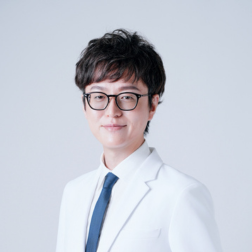
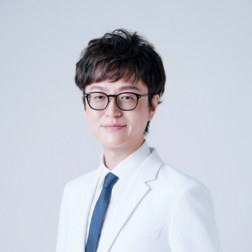
Noriyuki Ishizuka, MD
Director, ARIEL.BUST.CLINIC
Dr. Noriyuki Ishizuka is a board-certified plastic surgeon in Nagoya, Japan, specializing in breast augmentation (including fat transfer) and liposuction. In his articles, he explains the benefits, limitations, and risks of each option from a surgeon’s point of view.
Board-certified plastic surgeon, Japan Society of Plastic and Reconstructive Surgery (JSPRS) / Board-certified aesthetic surgeon, Japan Society of Aesthetic Plastic Surgery (JSAPS)
Safety rules behind every Japanese clinic
Japan establishes legal standards for clinic safety. Each hospital and clinic administrator must implement safety policies and train employees on those practices.
A cosmetic surgery office typically qualifies as a clinic, meaning it has no inpatient beds or a maximum of 19 beds, while a hospital has 20 or more beds.
The legal responsibility pertains to the management system rather than every individual step of a breast augmentation procedure.
This means the clinic must have a safety framework in place; however, it does not provide specific details about the operating room, anesthesia monitoring, or the clinic’s emergency protocols. You should get these details directly from the clinic.
What to check before you choose a breast augmentation clinic
Start by checking online records, then confirm with the clinic who will actually treat you.
The physician’s license is the first public record
Japan’s Ministry of Health, Labor and Welfare offers a physician license search that requires the doctor’s full name as registered in Japanese script. Ask the clinic for the exact spelling.
A doctor may be absent from the results for administrative reasons, such as an incomplete periodic report. A missing name alone does not resolve the issue.
Specialist status is separate from the license
A medical license permits a doctor to practice medicine generally. Board certification in plastic surgery indicates that the physician has undergone additional training and evaluation beyond basic qualifications.
The Japan Society of Plastic and Reconstructive Surgery provides a list of certified specialists. Instead of relying solely on the designation “specialist” in a clinic’s profile, it’s advisable to verify the operating surgeon’s credentials directly.
What to ask in writing before you book
Please provide written answers to a few safety questions before you commit.
- Who would provide anesthesia and how would they be monitored?
- Which hospital would accept me if an emergency happened?
- How do you control infection in the operating room?
- Who can I contact after hours if I have a problem?
- Which third-party evaluation has this clinic completed?
What facility accreditation tells you about a breast augmentation clinic
Facility accreditation assesses how a facility operates, not individual surgery outcomes.
The term is broader than a single program
In the United States, accreditation is mandatory in some states and optional in others. Reviewers assess safety practices in ambulatory facilities. In Japan, the hospital evaluation program focuses on hospitals rather than the surgical safety of small cosmetic clinics.
Additionally, a separate program called JMIP evaluates how well Japanese medical institutions support foreign patients, specifically language and cultural support, rather than assessing surgical safety.
Accreditation is one support, not a final answer
A survey of Japanese hospitals found that accredited hospitals used more methods for finding safety events than hospitals without that status.1 This finding pertains to hospitals, not cosmetic clinics, emphasizing the importance of external reviews without ranking smaller facilities.
Complication data does not provide a straightforward ranking across facility types. In a United States analysis of 129,007 cosmetic surgery patients, major complications stayed in the 1% to 2% range across the accredited facility types studied.2
Surgeons may refer higher-risk patients to specialized hospitals. The context alone does not provide the complete picture.
Checklists are a separate support. In one plastic surgery department, introducing a safety checklist did not by itself produce a clear drop in measured complications, even though the items on the list still matter.3
The clinic should explain how it tailors checks for breast augmentation, rather than just stating that a checklist is available.
The questions that reveal emergency and anesthesia planning
In a safe clinic environment, you’ll find clear information about who is present, what activities are taking place, and where to go if anything changes.
Anesthesia support should be named
A 2019 review of office-based anesthesia lists emergency protocols, checklists, and medication management as core parts of a safety system.4 These items influence who notices changes in your breathing, who can respond, and how quickly assistance arrives.
A transfer plan should name a hospital
Ask which hospital has pre-arranged to receive patients from the clinic. If the response is simply that someone will call for an ambulance, ask who will provide your treatment and how your medical records will be transferred.
In office-based surgery, the most common complications are hematomas, infections, and blood clots. The clinic’s plan should explain how it would recognize and respond to each one.5
Turning the answers into a travel decision
Maintain a concise file containing the operating surgeon’s full name, board certification status, anesthesia plan, transfer hospital, and after-hours contact information. If any section is incomplete, request the missing details in writing before scheduling a surgery date.
A helpful response names a specific person or hospital and clearly outlines next steps. A vague slogan does not provide an actionable plan, regardless of how polished the website may appear.
Compare the clinic’s written responses with the entries in the public registry you checked, and decide only after confirming that the main details align.
Our clinic in Nagoya, Japan, provides consultations in English. You can reach us via email or on our official LINE account before your travel. After your surgery, you can contact us the same way, and we will provide your surgical records.
Frequently asked questions
- Does facility accreditation mean a Japanese clinic is safe for breast augmentation?
-
Facility accreditation indicates that an external review assessed certain practices, but it does not, on its own, ensure a clinic’s safety.
Inquire about the review’s content and how the clinic applies its policies to breast augmentation.
- Can I check a Japanese doctor’s license before I arrive?
-
Yes, Japan’s Ministry of Health, Labor and Welfare provides a physician license search. To access it, you need the doctor’s full name as registered in Japanese script.
Ask the clinic for that exact spelling before you search. Remember that some doctors may be absent from the results for administrative reasons.
- What do I ask a clinic by email before booking?
-
Ask who will provide anesthesia, which hospital will accept you in an emergency, and how the clinic manages infection control. Additionally, ask for the after-hours contact and any third-party evaluations the clinic has received. Request these answers in writing.
- Do I have to be in Japan to verify safety standards?
-
No, you can check public registries and request written responses from foreign entities.
Consolidate the replies in one location and bring them to your consultation. During the visit, confirm that the plan you reviewed matches what the surgeon describes.
References
1. Onishi, R., Hatakeyama, Y., Matsumoto, K., Hayashi, R., Seto, K., & Hasegawa, T. (2026). Association between hospital accreditation and patient safety management systems in Japan: a secondary analysis of nationwide surveys, 2015-23. International Journal for Quality in Health Care, 38(1). https://doi.org/10.1093/intqhc/mzag031
2. Gupta, V., Parikh, R., Nguyen, L., Afshari, A., Shack, R. B., Grotting, J. C., & Higdon, K. K. (2017). Is Office-Based Surgery Safe? Comparing Outcomes of 183,914 Aesthetic Surgical Procedures Across Different Types of Accredited Facilities. Aesthetic Surgery Journal, 37(2), 226-235. https://doi.org/10.1093/asj/sjw138
3. Biskup, N., Workman, A. D., Kutzner, E., Adetayo, O. A., & Gupta, S. C. (2016). Perioperative Safety in Plastic Surgery: Is the World Health Organization Checklist Useful in a Broad Practice? Annals of Plastic Surgery, 76(5), 550-5. https://doi.org/10.1097/SAP.0000000000000427
4. de Lima, A., Osman, B. M., & Shapiro, F. E. (2019). Safety in office-based anesthesia: an updated review of the literature from 2016 to 2019. Current Opinion in Anaesthesiology, 32(6), 749-755. https://doi.org/10.1097/ACO.0000000000000794
5. Young, S., Shapiro, F. E., & Urman, R. D. (2018). Office-based surgery and patient outcomes. Current Opinion in Anaesthesiology, 31(6), 707-712. https://doi.org/10.1097/ACO.0000000000000655
Shapiro, F. E., Punwani, N., Rosenberg, N. M., Valedon, A., Twersky, R., & Urman, R. D. (2014). Office-based anesthesia: safety and outcomes. Anesthesia and Analgesia, 119(2), 276-285. https://doi.org/10.1213/ANE.0000000000000313
Urman, R. D., & Philip, B. K. (2014). Accreditation of ambulatory facilities. Anesthesiology Clinics, 32(2), 551-7. https://doi.org/10.1016/j.anclin.2014.02.016