The anesthesiologist for breast augmentation at a clinic in Japan can vary by clinic and by the type of anesthesia used, rather than following a single nationwide standard.
Before your procedure, ask who will administer the anesthesia, who will be present during surgery, and who will monitor you as you wake up.
Written by
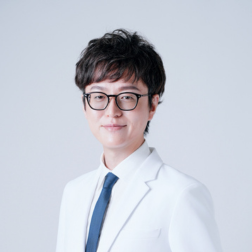
Noriyuki Ishizuka, MD
Director, ARIEL.BUST.CLINIC
Dr. Noriyuki Ishizuka is a board-certified plastic surgeon in Nagoya, Japan, specializing in breast augmentation (including fat transfer) and liposuction. In his articles, he explains the benefits, limitations, and risks of each option from a surgeon’s point of view.
Board-certified plastic surgeon, Japan Society of Plastic and Reconstructive Surgery (JSPRS) / Board-certified aesthetic surgeon, Japan Society of Aesthetic Plastic Surgery (JSAPS)
Who may handle anesthesia for breast augmentation?
In a Japanese clinic, surgeons may use lighter anesthesia, while an anesthesia specialist may be involved for deeper sedation or general anesthesia.
Each clinic can choose its own arrangement, leading to variations even among providers in the same city.
A surgeon may lead lighter sedation
A plastic surgeon may provide local anesthesia or light sedation for shorter procedures. In this scenario, the surgeon is responsible for both the operation and the medication that keeps you relaxed.
Deeper anesthesia often adds a specialist
When heavier sedation or general anesthesia is required, the clinic may bring in a physician trained in anesthesia. This specialist can focus solely on your breathing, circulation, and comfort while the surgeon performs the operation.
One United States report covering 2,006 cosmetic surgery patients used that split: intravenous anesthesia was managed by an anesthesia specialist, while lighter sedation was managed by the plastic surgeons.1
How the depth of anesthesia changes the team
The level of anesthesia influences your memories, feelings, and required support. Each level has a unique monitoring plan.
Three levels, three team setups
| Anesthesia type | What you feel | Who may be involved |
|---|---|---|
| Local anesthesia | The treated area is numbed while you stay alert | The surgeon can often give this directly |
| Intravenous sedation | You become very relaxed or partly asleep | The surgeon or an anesthesia specialist may monitor you |
| General anesthesia | You are fully asleep and need support for breathing and circulation | A physician with anesthesia training usually joins the team |
These categories are general, and clinics may modify them. Ask about the level of sedation planned and who will provide assistance if needed.
What Japanese rules do and do not say
Japanese regulations do not assign a specific professional to each breast augmentation procedure. Instead, they establish guidelines for how clinics can describe their anesthesia services.
A clinic can use the name “anesthesiology department” only if a physician holds a permit from Japan’s health ministry. This permit requires at least two years of supervised anesthesia training.
A government review on cosmetic medicine reported incidents where inexperienced doctors performed surgeries under general anesthesia without emergency support.
Questions to ask before you book breast augmentation
Before booking, ensure you have clear information about the anesthesia team and the recovery plan. While written responses are helpful, a direct conversation with the clinic can address most concerns.
Ask before you fly
Before traveling, please contact the clinic and keep all these points in one message.
| Question | What to listen for |
|---|---|
| Who will give the anesthesia? | A named role, such as surgeon or anesthesia specialist |
| Who will stay in the room throughout surgery? | A team member whose main duty is monitoring you |
| Who will manage recovery until you are stable? | The person who decides when you may leave |
| What is the hospital transfer plan? | A nearby facility and the steps for calling an ambulance |
Ask each clinic the same questions and compare how clearly they name roles. If an answer seems vague, ask for the person’s role and the monitoring steps involved.
Confirm again at your consultation
During your pre-surgery consultation, be sure to discuss the aspects that impact your health and comfort.
- Who will give the anesthetic and add more medicine if needed
- Who will stay with you until you are awake and stable
- Who will watch you during recovery and decide when you can leave
- Which hospital the clinic would use in an emergency
You don’t need to memorize medical terms; a clear understanding of roles is sufficient for the plan.
How clinics keep office anesthesia safer
Reviews of office-based anesthesia outline several safeguards: selecting appropriate patients, aligning procedures with the setting, verifying team qualifications, implementing emergency protocols, carefully managing medications, and adhering to checklists.
A detailed review identifies conditions requiring closer assessment for day surgery: active infections, heart disease, blood clotting disorders, insulin-dependent diabetes, obesity, obstructive sleep apnea, poorly controlled hypertension, and history of blood clots.
In one two-state United States report on office surgery problems, 74% of hospital transfers after cosmetic procedures had been performed under general anesthesia.2 Although that figure doesn’t indicate general anesthesia is unsafe, it underscores the importance of including the transfer plan in your checklist.
Planning from outside Japan
You can arrange most of the anesthesia plan via email or official LINE before you fly. Since I provide consultations in English, you won’t need an interpreter for most discussions.
Our English-language website lists local anesthesia, intravenous sedation, and general anesthesia as distinct options. Ask which option is most suitable for your procedure and what each entails.
You are welcome to bring a friend or family member. Having someone else in the room can help you remember the instructions before and after surgery.
When you first contact me, please share your medications, allergies, heart or lung conditions, sleep apnea, diabetes, and any history of blood clots. This information helps me determine if the procedure is appropriate for your health.
Consultations at our clinic in Nagoya, Japan, are conducted in English. You can reach us by email or through our official LINE account before your travel and after surgery. We also provide your surgical records.
Frequently asked questions
- Does Japanese law require an anesthesiologist for breast augmentation?
-
No, Japanese regulations do not require an anesthesiologist for every breast augmentation case. The rules regarding an anesthesia department relate to how a clinic may label that service, not who must be present in the room.
- Does general anesthesia mean a specialist must be with me?
-
Under Japanese law, general anesthesia requires a physician with specialized anesthesia training. This is important because you will be completely unconscious and may need assistance with your breathing.
Ask: Who will administer the anesthesia? Who will monitor your breathing and circulation during the procedure? Who will remain with you until you are stable?
- I am traveling from abroad. How early should I ask about anesthesia?
-
Before making surgery arrangements, please ask questions. Contact us via the English-language form or our official LINE. Inquire about the anesthesia plan, your health history, and whether a friend or family member can accompany you.
- What health information should I send before surgery?
-
Share any heart or lung conditions, sleep apnea, diabetes, blood-clotting disorders, medications, or allergies. I use this information to determine whether your planned procedure and anesthesia are suitable for you.
References
1. Failey, C., Aburto, J., de la Portilla, H. G., Romero, J. F., Lapuerta, L., & Barrera, A. (2013). Office-based outpatient plastic surgery utilizing total intravenous anesthesia. Aesthetic Surgery Journal, 33(2), 270-4. https://doi.org/10.1177/1090820X12472694
2. Starling, J., Thosani, M. K., & Coldiron, B. M. (2012). Determining the safety of office-based surgery: what 10 years of Florida data and 6 years of Alabama data reveal. Dermatologic Surgery, 38(2), 171-7. https://doi.org/10.1111/j.1524-4725.2011.02206.x
Seligson, E., Beutler, S. S., & Urman, R. D. (2019). Office-based anesthesia: an update on safety and outcomes (2017-2019). Current Opinion in Anaesthesiology, 32(6), 756-761. https://doi.org/10.1097/ACO.0000000000000789
Young, S., Osman, B., & Shapiro, F. E. (2023). Office-based anesthesia: a contemporary update on outcomes, incentives, and controversies. Current Opinion in Anaesthesiology, 36(6), 643-648. https://doi.org/10.1097/ACO.0000000000001310
Shapiro, F. E., Punwani, N., Rosenberg, N. M., Valedon, A., Twersky, R., & Urman, R. D. (2014). Office-based anesthesia: safety and outcomes. Anesthesia and Analgesia, 119(2), 276-285. https://doi.org/10.1213/ANE.0000000000000313
de Lima, A., Osman, B. M., & Shapiro, F. E. (2019). Safety in office-based anesthesia: an updated review of the literature from 2016 to 2019. Current Opinion in Anaesthesiology, 32(6), 749-755. https://doi.org/10.1097/ACO.0000000000000794