No specific food has been shown in clinical studies to make adult breasts larger. Breast size depends mostly on genes, overall body weight, hormone changes, and age. Foods can change body weight or briefly shift hormone levels, but that is not the same as producing visible, lasting breast growth.
Claims about soy, milk, and herbal teas are common on social media and product pages. Some foods contain plant compounds that can act like weak estrogens in laboratory tests. A weak chemical signal does not automatically mean breast growth, especially at the amounts people get from an ordinary diet.
The more useful focus is what food cannot do. Eating large portions of one ingredient is unlikely to predictably change breast size. Body weight is the dietary factor most clearly linked to breast volume, and even weight changes produce different results in different people.
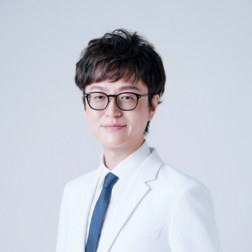
Written by
Noriyuki Ishizuka, MD
Director, ARIEL.BUST.CLINIC
Dr. Noriyuki Ishizuka is a board-certified plastic surgeon in Nagoya, Japan, specializing in breast augmentation (including fat transfer) and liposuction. In his articles, he explains the benefits, limitations, and risks of each option from a surgeon’s point of view.
Board-certified plastic surgeon, Japan Society of Plastic and Reconstructive Surgery (JSPRS) / Board-certified aesthetic surgeon, Japan Society of Aesthetic Plastic Surgery (JSAPS)
What foods can and cannot change about breast size
Food can change the fat layer and overall body size, but no specific food has been shown to build breast tissue. The breast has three kinds of tissue.
- Glandular tissue
- Fibrous support tissue
- Fat
Fat content varies widely from person to person. Because that mix differs, two people who gain the same amount of weight will not see the same change in cup size.
Common claims and what the evidence shows
The table below separates food claims from findings in published studies. The research does not measure a food’s ability to enlarge breasts the way someone shopping for enlargement hopes.
| Food or drink | Common claim | What studies show |
|---|---|---|
| Soy foods | Phytoestrogens enlarge breast tissue | No meaningful adult breast change in long trials |
| Milk | Dairy hormones make breasts grow | Temporary blood changes, no breast size measurement |
| Fennel tea | Herbal tea enlarges breasts | Only infant case reports, not adult evidence |
| “Bust-enhancing” herbs | Blended herbs build breast volume | No published clinical trials of effectiveness |
| High-calorie diets | More food means larger breasts | Weight gain may change size, but the result varies by person |
The table is not a warning to avoid these foods. Soy, milk, and herbs can be part of a normal diet. The point is that their effects on breast size are weaker and less direct than the marketing language suggests.
Why a weak hormone-like signal is not breast growth
Some plant compounds can bind to estrogen receptors, but binding is only one early step. Estrogen’s effect on breast tissue depends on dose, timing, age, and the other hormones present.
A food that changes a laboratory marker does not automatically produce the kind of ductal and fat changes that increase breast volume.
During puberty, breast growth involves estrogen, growth hormone, and insulin-like growth factor working together. That coordinated process does not restart because an adult adds a soy drink or herbal tea to the day.
In mature breast tissue, minor hormonal shifts are more likely to affect tenderness or fluid than cup size.
Why breast enlargement depends more on body weight than on specific foods
Body weight relates to breast size far more than any single food. Breasts contain fat, and fat stores expand or shrink with overall body weight.
The pattern is measurable, but it still doesn’t mean a person can choose where they gain or lose weight.
What weight-loss data show
Breast volume follows body mass index more closely than food intake. In a study of 106 women with obesity who had weight-loss surgery, a 20% drop in BMI predicted a 25% reduction in breast volume and a 20% reduction in sagging.1
A significant weight change can occur in a specific group, rather than just a minor dietary adjustment in an individual maintaining a stable weight.
Because breast size is influenced by overall body size, some individuals may notice changes in their band or cup size while dieting, even if their primary goal was simply weight loss. Conversely, weight gain can also change breast size.
Still, the body decides where it stores fat, and breasts do not necessarily change at the same rate as the rest of the body.
Why fat content varies from person to person
Breast composition differs far more than most product claims acknowledge. The balance of fat and glandular tissue varies widely between individuals.
Genetics add another layer. In a study of more than 1,000 female twins, inherited factors explained more than half of the differences in self-reported breast size. Some of that genetic effect overlaps with body size, while part is specific to the breast itself. Food choices operate inside that inherited frame.
How soy foods fit into breast enlargement claims
Soy is the food most often tied to breast enlargement because soy isoflavones are plant estrogens. The clinical picture is consistent: soy foods have not been shown to produce meaningful breast growth in adults.
Longer trials have measured breast tissue rather than relying on how a person felt after eating soy.
What the longer soy trials found
A systematic review of eight randomized trials in 1,287 women found no overall effect of soy or red clover isoflavones on breast density over six months to three years.2 Breast density is not the same as cup size, but it reflects changes in glandular tissue that would need to shift for breast growth to occur.
If soy strongly stimulated breast tissue, these studies would likely have detected a signal. A two-year trial in premenopausal women found that soy isoflavones did not increase glandular breast tissue. The soy group showed a small decrease in the measured tissue compared with the placebo group over time.3
That does not mean soy shrinks the breasts; the study measured glandular tissue on MRI, not visible breast size.
What weak early signals did not confirm
Early short-term research on soy supplementation reported changes in markers of cell activity in breast tissue, but a follow-up study did not confirm the same effect on cell growth. Neither study measured breast size, and a brief change in a laboratory marker is too small a basis for a body-shape claim.
More relevant is what happens with ordinary food. A crossover trial asked premenopausal women to eat two servings of soy foods a day for six months. One serving could be 177 mL of soy milk, 126 g of tofu, or 23 g of soy nuts.
The researchers found no change in nipple aspirate fluid, a marker of breast gland activity. At the doses used in clinical trials, soy isoflavones also do not behave like the body’s own estrogen.
A meta-analysis of 40 trials in postmenopausal women found no meaningful effect on endometrial thickness, vaginal maturation, follicle-stimulating hormone, or blood estradiol.5 That is a different question from breast enlargement, but it weakens the idea that soy acts as extra estrogen in the body.
Why milk and dairy do not settle the breast size question
Milk from pregnant cows can contain natural estrogens, and that fact is easy to turn into a breast growth claim. The human data do not support the jump from a temporary hormone reading to a larger breast. No strong adult study has shown that drinking milk makes the breasts grow.
What a small milk study actually measured
One small study measured hormone levels after people drank commercial milk. In some participants, urine and blood estrogen values rose briefly, then returned toward baseline. The study included only 18 people, lacked a comparison group, and never measured breast size.
A temporary rise in a blood value does not prove visible growth. Milk can be a normal part of an adult diet, but it won’t enlarge breasts. The breast does not grow from every brief estrogen signal.
What dairy intake data in girls show
Researchers have also studied dairy in girls during puberty, when the breast is actually developing. A prospective study of Chilean girls found no consistent evidence that more milk or yogurt led to greater breast development.
Some flavored milk drinks were linked to a slightly higher proportion of glandular tissue, while higher yogurt intake was associated with less measured glandular tissue. Observational patterns like these cannot show cause and effect, and they do not apply to adult breast enlargement.
Puberty represents a distinct biological phase compared to adulthood. During this stage, hormone-driven growth is already activated, meaning that the effects of a particular food observed during this period may not accurately predict its impacts once development is complete.
What herbal teas show in infants but not in adults
Herbal teas such as fennel are sometimes promoted as natural breast enlargers. The only clear clinical reports of breast growth after fennel involve infants, not adult women. That distinction matters because an infant’s hormone system is far more sensitive to outside estrogen-like substances.
The fennel tea case report
A published case described an infant who developed breast tissue after drinking fennel tea daily for several months. The breast development resolved after the tea was stopped.
That case signals that fennel contains active plant compounds, but it is not evidence that fennel tea can produce the breast growth an adult is seeking. A single case in an infant cannot predict a cosmetic result in an adult. Fennel and some other herbs contain plant estrogens such as anethole.
Product claims often present a plant estrogen as proof of effectiveness, but infant case reports and adult breast enlargement are different outcomes with very different hormone environments.
Why concentrated supplements are a separate issue
A 2003 review of herbal products marketed for “bust enhancement” revealed that these items were often promoted without any published clinical trials to support their effectiveness.
Some of these products contained plant ingredients with hormone-like properties, leading the author to conclude that the long-term safety of such mixtures was uncertain. This distinction between ordinary tea and concentrated supplements matters.
A 2022 survey of Japanese women found that younger users sometimes took estrogen-like supplements for breast enlargement or other cosmetic reasons. Some users reported irregular bleeding, breast tenderness and pain, or heavy periods.
The survey did not identify which ingredient caused each symptom, but the reports show that concentrated products are not the same as ordinary food.
How to keep breast changes in perspective and when to be seen
Most food-based breast enlargement advice asks a person to eat more of one ingredient while ignoring the bigger influences on breast size. A better plan is to keep weight changes moderate, notice normal monthly variation, and treat any new breast symptom as a medical question rather than a food problem.
What to remember about food and breast size
The practical points are short enough to act on without a special diet.
- Body weight has the clearest dietary link to breast volume.
- Soy foods do not appear to enlarge breast tissue in adult trials.
- Milk shows temporary hormone changes, not measured breast growth.
- Fennel tea’s only clear cases involve infants, not adults.
- A new lump or one-sided discharge needs an exam, not a food change.
These points do not require giving up soy or milk. They mean food isn’t the lever most people hope it will be. If a product promises a visible change from food alone, ask what was measured and in whom.
When a breast change needs a medical exam
A new lump, one-sided nipple discharge, blood-tinged discharge, or pain that stays in one spot needs a medical check. A doctor may use ultrasound or mammography to look at the area. For a lump in a younger woman, ultrasound is often the first imaging choice.
The goal isn’t to stop eating a food; it is to determine whether the change is benign. Breast size also shifts across the menstrual cycle because of normal hormone changes.
That variation can make a new food or supplement seem to work when the change would have happened anyway. Give any product several cycles before deciding that a food caused a size change.
What a realistic expectation looks like
A realistic goal is to keep breast size stable while managing weight in a healthy range. Large weight swings affect breast volume and may also change shape and skin support.
If breast size is a strong concern, the conversation should be about weight pattern, breast health, and the available nonsurgical or surgical options, not about a single food.
If you would like to discuss breast size concerns, our clinic in Nagoya, Japan offers a consultation with a doctor after you first speak with a member of our staff. The clinic specializes in liposuction, fat injection, and breast augmentation.
Frequently asked questions
- Q: Can eating more soy increase my breast size?
-
No. Clinical trials of soy isoflavones have not shown meaningful breast growth in adults. Longer studies measured breast tissue and found little change, and ordinary servings of soy milk or tofu did not increase markers of breast gland activity.
- Q: Does drinking milk raise estrogen enough to make breasts grow?
-
No. A small study found that milk could temporarily change hormone levels in urine or blood, but the study did not measure breast size. A short-term blood test change is not the same as visible breast growth.
Milk can be part of a normal diet, but no adult study shows that drinking it changes cup size in a predictable way.
- Q: Will gaining weight make my breasts larger?
-
It can, but results vary by person. Because breast fat content differs widely, some people see more change with weight gain than others. The body also decides where to store fat, and weight may go to the abdomen, thighs, or hips instead.
If you are considering a large weight change for any reason, discuss a healthy target with a doctor rather than using food to control breast size alone.
- Q: Is fennel tea safe for breast enlargement?
-
It has not been shown to enlarge adult breasts. The clearest report of breast growth after fennel involved an infant, and the change resolved after the tea was stopped. That does not make fennel tea a reliable cosmetic treatment for adults.
Concentrated herbal products are a separate concern. Some users of estrogen-like supplements have reported irregular bleeding, breast pain, or heavy periods. For that reason, a tea or supplement should not be used as a self-directed breast treatment.
- Q: When should I see a doctor about breast size or a lump?
-
See a doctor for a new lump, blood-tinged or one-sided nipple discharge, pain fixed to one spot, or sudden asymmetry. Imaging can help determine whether the change is benign.
A gradual size change with weight or the menstrual cycle is usually less concerning. If a change doesn’t fit those patterns, or if it worries you, it’s worth a medical exam even if you have been using food or supplements.
References
1. Ockell, J., Biörserud, C., Fagevik Olsén, M., Elander, A., & Hansson, E. (2024). “Normal” breast dimensions in obese women-reference values and the effect of weight loss. Journal of Plastic, Reconstructive & Aesthetic Surgery, 94, 187-197. https://doi.org/10.1016/j.bjps.2024.05.021
2. Hooper, L., Madhavan, G., Tice, J. A., Leinster, S. J., & Cassidy, A. (2010). Effects of isoflavones on breast density in pre- and post-menopausal women: a systematic review and meta-analysis of randomized controlled trials. Human Reproduction Update, 16(6), 745-60. https://doi.org/10.1093/humupd/dmq011
3. Lu, L. W., Chen, N. W., Brunder, D. G., Nayeem, F., Nagamani, M., Nishino, T. K., Anderson, K. E., & Khamapirad, T. (2022). Soy isoflavones decrease fibroglandular breast tissue measured by magnetic resonance imaging in premenopausal women: A 2-year randomized double-blind placebo controlled clinical trial. Clinical Nutrition ESPEN, 52, 158-168. https://doi.org/10.1016/j.clnesp.2022.10.007
4. Maskarinec, G., Morimoto, Y., Conroy, S. M., Pagano, I. S., & Franke, A. A. (2011). The volume of nipple aspirate fluid is not affected by 6 months of treatment with soy foods in premenopausal women. The Journal of Nutrition, 141(4), 626-30. https://doi.org/10.3945/jn.110.133769
5. Viscardi, G., Back, S., Ahmed, A., Yang, S., Mejia, S. B., Zurbau, A., Khan, T. A., Selk, A., Messina, M., Kendall, C. W., Jenkins, D. J., Sievenpiper, J. L., & Chiavaroli, L. (2025). Effect of Soy Isoflavones on Measures of Estrogenicity: A Systematic Review and Meta-Analysis of Randomized Controlled Trials. Advances in Nutrition, 16(1), 100327. https://doi.org/10.1016/j.advnut.2024.100327
Chiba, T., Tousen, Y., Nishijima, C., & Umegaki, K. (2022). The Prevalence of Dietary Supplements That Claim Estrogen-like Effects in Japanese Women. Nutrients, 14(21), 4509. https://doi.org/10.3390/nu14214509
Fugh-Berman, A. (2003). “Bust enhancing” herbal products. Obstetrics and Gynecology, 101(6), 1345-9. https://doi.org/10.1016/s0029-7844(03)00362-4
Gaskins, A. J., Pereira, A., Quintiliano, D., Shepherd, J. A., Uauy, R., Corvalán, C., & Michels, K. B. (2017). Dairy intake in relation to breast and pubertal development in Chilean girls. The American Journal of Clinical Nutrition, 105(5), 1166-1175. https://doi.org/10.3945/ajcn.116.150359
Maruyama, K., Oshima, T., & Ohyama, K. (2010). Exposure to exogenous estrogen through intake of commercial milk produced from pregnant cows. Pediatrics International, 52(1), 33-8. https://doi.org/10.1111/j.1442-200X.2009.02890.x
Wade, T. D., Zhu, G., & Martin, N. G. (2010). Body mass index and breast size in women: same or different genes? Twin Research and Human Genetics, 13(5), 450-4. https://doi.org/10.1375/twin.13.5.450