Most non-surgical breast enlargement methods have no evidence of lasting growth. The clearest documented changes come from normal hormonal shifts, weight changes, or treatments that require many hours of wear or an injection, and each has limits.
Some approaches have a little published support. Others have no clinical trial behind them, even when social media videos are confident and repeated.
To judge a method, compare what it changes inside the body, what studies found, and what symptoms should stop a home trial. That gives a safer starting point than deciding based on dramatic online claims.
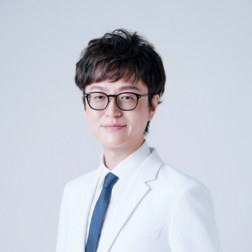
Written by
Noriyuki Ishizuka, MD
Director, ARIEL.BUST.CLINIC
Dr. Noriyuki Ishizuka is a board-certified plastic surgeon in Nagoya, Japan, specializing in breast augmentation (including fat transfer) and liposuction. In his articles, he explains the benefits, limitations, and risks of each option from a surgeon’s point of view.
Board-certified plastic surgeon (JSPRS) / Board-certified aesthetic surgeon (JSAPS)
What actually determines breast size
Breast size is mainly a mix of fat and glandular tissue. Because the pectoralis major muscle sits underneath the breast, building that muscle changes the chest wall but not how much breast tissue there is.
Much of the difference between people is inherited, and part of that genetic effect overlaps with general body size. That helps explain why no cream or exercise moves everyone to the same cup size.
Breasts also change during puberty, pregnancy, breastfeeding, and weight gain or loss. Hormones and body composition drive these changes, not a product.
In an MRI study of 15 women, breast volume changed by an average of 13.6% within one menstrual cycle.1 The same person can therefore appear larger or smaller within weeks without any treatment.
Pregnancy typically causes the breasts to enlarge, but the outcome after breastfeeding can differ. Some individuals return to their original size, while others may remain larger. There is no uniform expected pattern.
How the evidence compares across non-surgical breast enlargement methods
Most advertised options have no published trial showing that they enlarge the breast. Two exceptions carry real risks or requirements and aren’t simple at-home fixes.
A large gap between promotion and proof
A 2003 review found no published clinical trial testing the herbal products sold for breast enhancement.2 Social media promotion still runs ahead of the research.
In a 2025 analysis of 85 popular social media videos, 91.8% showed no scientific support for the claim.3 Most posters showed no medical credentials, and most did not disclose sponsorship.
How the main methods compare
| Method | What the research shows | Main concern |
|---|---|---|
| Creams and oils | No clinical trial supports lasting growth. | Skin irritation and unproven claims. |
| Pills, teas, and foods | No trial shows a lasting increase; some herbs can act like hormones. | Hormone-like effects and unknown long-term safety. |
| Hormone-based products | Prescribed hormones can change breast tissue, but the effect is modest. | Hormone side effects without a measured medical reason. |
| Exercise and massage | No direct evidence that they enlarge breast tissue. | Soreness, wasted time, and late discovery of a real concern. |
| External suction devices | Small reports of increased volume with heavy daily use. | Skin strain, long wear times, and the burden of continuing. |
| Hyaluronic acid injections | Can add volume, but side effects are common, and the gel can affect imaging. | Risks include infection, lumps, removal, and reduced visibility on scans. |
Foods and creams follow the same pattern as most pills: the marketing is common, but the trial evidence is missing. Approaches with reported size changes carry more burden or risk.
Why a product can feel like it is working
A product can seem effective because breast volume changes on its own. People can mistake menstrual timing, water retention, weight change, and touch sensitivity for growth.
By the time someone starts a cream or supplement, a different cycle phase may have already changed the measurement. Period-related fluid shifts are not lasting enlargement, even when a bra feels tighter.
Body weight matters too. Breast volume tracks body mass index, and large weight loss tends to shrink the breast more than the weight change alone suggests. Weight gain can work in the opposite direction, but gaining weight only to enlarge the breast is not a sound plan.
That timing problem makes personal reports hard to interpret. Without repeated measurements at the same point in the cycle, a perceived change may be normal variation.
What hormones can and cannot do for breast size
Hormones are not a simple on-off switch for size. They coordinate breast development at specific life stages, but using hormone-like compounds outside those phases adds risk without much predictable change.
Prescribed hormones
Research in trans women taking prescribed gender-affirming hormones found that breast development stayed modest and slow. In that study, higher blood estradiol levels did not predict more breast growth.
Birth control pills show a similar pattern. Users may have slightly fuller breasts while taking them, but former users do not keep that difference. Studies do not support taking hormones only for breast size.
Hormone-like herbs
Some herbs such as Pueraria mirifica can act like estrogen. In Japan, reports of irregular bleeding and menstrual changes led the government to place this ingredient under special caution.
In one Japanese survey of people using Pueraria mirifica products, nearly half reported irregular bleeding or menstrual changes.4 That signal is strong enough that the product should not be treated as a harmless food.
Which non-surgical breast enlargement methods have evidence of a size change
Two methods have published reports of a size change: external suction used for many hours a day and hyaluronic acid gel injected into the breast. Both require a real commitment and a tolerance for complications.
External suction devices
In a small device trial, researchers asked women to wear a bra-like suction system for 10 to 12 hours daily for 10 weeks. Of 17 women, five could not continue wearing it, and the 12 who completed it had an average increase of 98% at the end of treatment.5
Later clinical experience with a similar device found that results depended on wearing it consistently for months. People with lower body weight and those who wore it less gained less, and some stopped because the schedule was too burdensome.
Hyaluronic acid injections
Injectable gel can add volume quickly, but the body may absorb some of it, and the gel can create lumps. Published reports include infection, capsular contracture, early absorption, and cases in which doctors had to remove the product.
The gel can also interfere with breast imaging. In one case series, injected material made it difficult for radiologists to see the whole breast on mammography and ultrasound. That matters because any breast decision has to protect cancer screening.
When a symptom should stop a home trial
Stop using a product or device if your body sends a clear warning. Some symptoms are local irritation, but others need imaging before you continue.
- New or persistent breast lump
- Bloody or one-sided nipple discharge
- Irregular bleeding or menstrual changes after starting a supplement
- Skin breakdown, blistering, or a painful rash from a device or cream
- Breast pain that stays in one spot
Don’t watch a lump while continuing a product. Breast imaging can clarify whether it is a cyst, a normal change, or something that needs a biopsy.
What to ask a doctor before trying a method
Before spending time or money on a method, ask a doctor to look at your starting size, breast composition, and personal risk. The answers should make the expected change and the stopping points clear.
- Could my breast composition make any nonsurgical method less likely to help?
- What change is realistic for my starting size over three to six months?
- Which side effects would mean I should stop and come in for imaging?
- Would hormone-like ingredients affect my periods or other medications?
- How would we check that a lump is not hiding a treatable problem?
Bring any product labels or device instructions so the doctor can review the ingredients and intended schedule. A monitored trial is easier to stop early, before it causes harm.
Deciding whether to try a method often takes one focused visit. At our clinic in Nagoya, Japan, visits are by appointment only, and you will first speak with a staff member before meeting a doctor.
Frequently asked questions
- Do non-surgical breast enlargement creams or pills actually work?
-
There is no published clinical trial showing that creams or herbal pills create lasting breast growth. The few products with data come with real risks, such as hormone-like effects or the burden of daily device use.
If a product promises lasting fullness without a device or an injection, treat the lack of confirmable research as a warning rather than a reason to try it.
- Why did my breasts seem larger after I started a product?
-
Breast volume changes with the menstrual cycle, body water, and weight. A dense feeling or a tighter bra may reflect normal cycle changes rather than growth.
Take measurements at the same point in two separate cycles before deciding that a product changed anything.
- Can exercise make breasts bigger?
-
Exercise can build the pectoral muscles under the breast, but studies have not shown that it enlarges breast tissue itself. It may improve posture and how the chest looks.
That can be worthwhile, but it is a different goal from increasing cup size.
- Are breast pumps safe for enlargement?
-
A few reports describe size changes only with a medically designed suction device worn many hours a day, and those results don’t apply to short-use pumps sold for home use. The burden is high, and results vary.
Stop if the skin hurts, bruises, blisters, or shows broken areas.
- When should I see a doctor instead of continuing?
-
See a doctor for a new lump, nipple discharge, one-sided pain, irregular bleeding, or skin that will not heal. Those signs need an exam and often imaging.
Do not wait until a symptom gets worse, especially if you started a supplement with hormone-like ingredients.
References
1. Hussain, Z., Roberts, N., Whitehouse, G. H., García-Fiñana, M., & Percy, D. (1999). Estimation of breast volume and its variation during the menstrual cycle using MRI and stereology. The British Journal of Radiology, 72(855), 236-45. https://doi.org/10.1259/bjr.72.855.10396212
2. Fugh-Berman, A. (2003). “Bust enhancing” herbal products. Obstetrics and Gynecology, 101(6), 1345-9. https://doi.org/10.1016/s0029-7844(03)00362-4
3. Lin, J., Li, W., Zhu, L., Li, N., & Chang, S. (2025). The Most Popular Videos Promoting Breast Enhancement Products on TikTok: Cross-Sectional Content and User Engagement Analysis. Journal of Medical Internet Research, 27, e73336. https://doi.org/10.2196/73336
4. Chiba, T., Tanemura, N., Nishijima, C., & Umegaki, K. (2022). [Recognition and Prevalence of “Designated Ingredient, etc.” in Health Foods]. Shokuhin Eiseigaku Zasshi, 63(1), 20-26. https://doi.org/10.3358/shokueishi.63.20
5. Khouri, R. K., Schlenz, I., Murphy, B. J., & Baker, T. J. (2000). Nonsurgical breast enlargement using an external soft-tissue expansion system. Plastic and Reconstructive Surgery, 105(7), 2500-12. https://doi.org/10.1097/00006534-200006000-00032
de Blok, C. J. M., Klaver, M., Wiepjes, C. M., Nota, N. M., Heijboer, A. C., Fisher, A. D., Schreiner, T., T’Sjoen, G., & den Heijer, M. (2018). Breast Development in Transwomen After 1 Year of Cross-Sex Hormone Therapy: Results of a Prospective Multicenter Study. The Journal of Clinical Endocrinology and Metabolism, 103(2), 532-538. https://doi.org/10.1210/jc.2017-01927
Jernström, H., & Olsson, H. (1997). Breast size in relation to endogenous hormone levels, body constitution, and oral contraceptive use in healthy nulligravid women aged 19-25 years. American Journal of Epidemiology, 145(7), 571-80. https://doi.org/10.1093/oxfordjournals.aje.a009153
Wade, T. D., Zhu, G., & Martin, N. G. (2010). Body mass index and breast size in women: same or different genes? Twin Research and Human Genetics, 13(5), 450-4. https://doi.org/10.1375/twin.13.5.450
Schlenz, I., & Kaider, A. (2007). The Brava external tissue expander: is breast enlargement without surgery a reality? Plastic and Reconstructive Surgery, 120(6), 1680-1689. https://doi.org/10.1097/01.prs.0000267637.43207.19
Becchere, M. P., Farace, F., Dessena, L., Marongiu, F., Bulla, A., Simbula, L., Meloni, G. B., & Rubino, C. (2013). A case series study on complications after breast augmentation with Macrolane™. Aesthetic Plastic Surgery, 37(2), 332-5. https://doi.org/10.1007/s00266-012-9971-5