When choosing a recovery hotel, focus on three essential needs: proximity to the clinic for convenience, a room where you can rest without using your arms to get up, and privacy during your recovery.
If you’re traveling to Japan for breast augmentation, it’s best to book your hotel before your arrival, rather than after your surgery.
Our clinic sits just outside Exit 2 of the Miyako Underground Mall at Nagoya Station, so a hotel near the station keeps follow-up visits short. You will not need a special recovery facility or a room with medical staff.
Written by
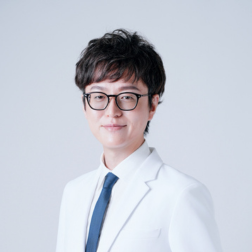
Noriyuki Ishizuka, MD
Director, ARIEL.BUST.CLINIC
Dr. Noriyuki Ishizuka is a board-certified plastic surgeon in Nagoya, Japan, specializing in breast augmentation (including fat transfer) and liposuction. In his articles, he explains the benefits, limitations, and risks of each option from a surgeon’s point of view.
Board-certified plastic surgeon, Japan Society of Plastic and Reconstructive Surgery (JSPRS) / Board-certified aesthetic surgeon, Japan Society of Aesthetic Plastic Surgery (JSAPS)
What makes a hotel suitable after breast augmentation
A suitable hotel reduces movement, supports sleep, and keeps the clinic within easy reach. It does not need to be expensive or health-focused.
Location matters more than amenities
When planning your stay, choose a route from your room to the clinic that avoids a lengthy train ride or a second hotel change. A shorter walking distance reduces the need to carry a bag, navigate through crowds, or stand on a train when you’re feeling tired.
The building also matters once you step inside. Pick a room with an elevator from the lobby to your floor, and ask about hallway steps or heavy doors before you reserve.
A hotel is not a recovery facility
Hotel staff will help with check-in, housekeeping, and luggage, but they are not nurses and cannot monitor your healing. Save medical questions for us, and reach us by email or official LINE after surgery.
Check the room for movements you will repeat
Ask about the bed, the bathroom, the elevator, and food before you book. These details matter more than room design as you will use them several times a day.
What to confirm when you book
Compare these details when you contact the hotel, and ask the front desk about anything that is unclear.
| Hotel detail | What to confirm | Why it matters |
|---|---|---|
| Location | Short walking route to Nagoya Station and Exit 2 | Keeps clinic visits simple and avoids extra travel |
| Elevator | Available from lobby to room | Reduces stairs and repeated full-body effort |
| Bed | Western-style bed rather than floor futon | Makes sitting up less dependent on arm strength |
| Luggage | Help with bags or airport delivery service | Avoids lifting while incisions heal |
| Meals | Low-effort food options nearby | Limits long walks and heavy shopping bags |
| Extension | Option to add nights later | Accommodates a slower recovery |
If you choose a room with a futon on the floor, plan how you will stand up without pressing through your arms. A Western-style bed is usually easier because you can roll to one side and push from your legs.
Luggage without lifting
A suitcase feels heavier during recovery. Decide beforehand how your bag will get from the airport to your room. Japan’s airports have baggage delivery counters, and you can ask your hotel whether it can store bags before check-in.
At the hotel, ask for help with a large bag rather than lifting it yourself. Pack a small recovery bag with your documents, medications, and one change of clothes. This will help you avoid opening a heavy suitcase on the first evening.
Plan the booking before you leave home
Book your hotel before you travel, and avoid switching rooms or hotels on surgery day. Having one steady home base to return to makes recovery after the procedure much easier.
Book with an extension option
Confirm at booking that you can add nights if you heal more slowly than expected. Recovery speed varies. A hotel that lets you extend removes your stress.
In a prospective study of 48 patients who followed enhanced recovery pathways for aesthetic breast surgery, most returned to many routine activities within five days, and 88% felt recovery was faster than expected.1 The number is a general guide, not a fixed recovery date.
How many nights to arrange
We use one week from the day of surgery as a general guide for any procedure when possible, because it lets our doctor follow your healing until suture removal. That number is our estimate, not a promise.
If a one-week stay isn’t possible, don’t decide on a shorter hotel stay alone. Ask us before you book, because the answer depends on your procedure, the amount of liposuction, and the length of your flight home.
Implant augmentation and hybrid augmentation with only a small amount of liposuction may fit a shorter trip when we confirm the plan in advance. Extensive liposuction or a larger amount of fat removal generally pushes the plan toward a full week.
Keep bathing, meals, and privacy simple
Daily recovery becomes easier when you settle these details before you arrive:
- Bathing instructions from your surgeon.
- A low-effort food source near the hotel.
- Privacy expectations, including a room with a door that closes.
Follow your surgeon on bathing
The timing for getting an incision wet still has limited evidence. In a Cochrane review of minor skin surgery, wound infection occurred in 8.5% of patients who bathed early and 8.8% of those who waited, with no clear difference.2
That review does not answer the question for breast augmentation. Ask your surgeon when you can shower and how to keep the area dry during the first few days.
Keep food within easy reach
Choose a hotel with a convenience store, takeout counter, or simple restaurant nearby. This will help you avoid lengthy searches for food when your energy is low.
If you buy food near the hotel, carry only light items. A short trip for a simple meal is fine, but carrying a heavy shopping bag can put strain on your chest.
Privacy is part of the room choice
A private room with a door that closes gives you space to recover without having to explain yourself. In a survey of 484 U.S. adults considering cosmetic surgery abroad, privacy during recovery was one of the benefits people named, while distance from home and limited follow-up were common worries.3
What to do when recovery feels off
It helps to know when you can simply message the clinic—and when you need to call an ambulance.
Being cleared to leave after ambulatory anesthesia is not the same as being ready for a full day out. Discharge checks have centered on stable vital signs, controlled pain and nausea, and walking without support.4
Complications after cosmetic surgery are uncommon, but planning for them is still sensible. In a United States registry of 214,504 aesthetic surgery patients, deep infection occurred in 0.2%, a blood collection under the skin in 0.7%, and unplanned hospital readmission in 0.34%.5
Longer operations and combined procedures were linked to higher risk.
Routine questions go to the clinic
For a new symptom or a question about medication, contact us by email or official LINE. We can tell you whether the concern requires a visit or can be managed in your hotel room.
When to call 119
Call 119 in Japan for a life-threatening emergency, such as severe trouble breathing, chest pain, or bleeding that will not stop. Do not wait for hotel staff to make that decision for you.
For non-emergency help finding medical care or communicating in English, the Japan Visitor Hotline operates 24 hours a day at 050-3816-2787. This is a general support line, not a substitute for your surgical team.
Our clinic in Nagoya, Japan, offers consultations in English, and you can reach us by email or official LINE before you travel and after surgery. We also provide you with your surgical records.
Frequently asked questions
- Do I need to book a recovery facility after breast augmentation?
-
No. A regular hotel is enough, provided the room supports rest, has an elevator, and gives you access to simple meals. The important check is whether the hotel can accommodate a slower recovery, not whether it calls itself a recovery facility.
- How many nights should I reserve after breast augmentation?
-
We use one week from the day of surgery as a general guide for any procedure when possible. This timing mainly allows our doctor to follow your healing until suture removal.
If your schedule only allows two or three nights, confirm that with us before you book. The answer depends on your procedure, the amount of liposuction, and the length of your flight home.
- Can hotel staff help with my medical recovery?
-
No. Hotel staff can assist with luggage, housekeeping, and check-in, but they cannot monitor your healing or give medical advice. Contact us for recovery questions, and call 119 in Japan for a life-threatening emergency.
- Is a Japanese-style room with a futon a good choice?
-
A Western-style bed is usually easier because getting up from a floor futon can put pressure on your arms and chest. If a futon room is your only option, plan how you will stand up using your legs and ask whether the hotel can provide a bed frame or extra support.
References
1. Stahl, S., Santos Stahl, A., Feng, Y. S., Estler, A., Buiculescu, F., & Seabra Robalo Gomes Jorge, A. C. (2024). Enhanced Recovery After Surgery (ERAS) Pathways for Aesthetic Breast Surgery: A Prospective Cohort Study on Patient-Reported Outcomes. Aesthetic Plastic Surgery, 48(2), 84-94. https://doi.org/10.1007/s00266-023-03392-1
2. Toon, C. D., Sinha, S., Davidson, B. R., & Gurusamy, K. S. (2015). Early versus delayed post-operative bathing or showering to prevent wound complications. The Cochrane Database of Systematic Reviews, 2015(7), CD010075. https://doi.org/10.1002/14651858.CD010075.pub3
3. Hassell, N. E., Bustos, V. P., Elmer, N., Comer, C. D., Manstein, S. M., & Lin, S. J. (2024). Costs Versus Complications: Public Perspectives on International Cosmetic Surgery Tourism. Plastic Surgery, 32(3), 468-475. https://doi.org/10.1177/22925503221134817
4. Jakobsson, J. G. (2019). Recovery and discharge criteria after ambulatory anesthesia: can we improve them?. Current Opinion in Anaesthesiology, 32(6), 698-702. https://doi.org/10.1097/ACO.0000000000000784
5. Sergesketter, A. R., Shammas, R. L., Geng, Y., Levinson, H., Matros, E., & Phillips, B. T. (2023). Tracking Complications and Unplanned Healthcare Utilization in Aesthetic Surgery: An Analysis of 214,504 Patients Using the TOPS Database. Plastic and Reconstructive Surgery, 151(6), 1169-1178. https://doi.org/10.1097/PRS.0000000000010148