Bringing a companion to Japan for breast augmentation mainly adds costs for airfare, meals, local travel, and the difference between a single room and a room for two.
A mid-range hotel double room in Japan starts at about ¥10,000 per night, and casual meals typically cost between ¥500 and ¥1,000 each.
Written by
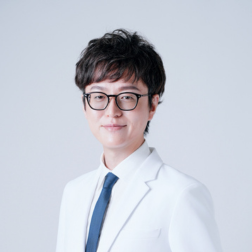
Noriyuki Ishizuka, MD
Director, ARIEL.BUST.CLINIC
Dr. Noriyuki Ishizuka is a board-certified plastic surgeon in Nagoya, Japan, specializing in breast augmentation (including fat transfer) and liposuction. In his articles, he explains the benefits, limitations, and risks of each option from a surgeon’s point of view.
Board-certified plastic surgeon, Japan Society of Plastic and Reconstructive Surgery (JSPRS) / Board-certified aesthetic surgeon, Japan Society of Aesthetic Plastic Surgery (JSAPS)
Build the companion budget by line item
Break down additional costs as separate items rather than doubling the total trip cost. Your procedure expenses will remain unchanged, but the second person will contribute to food, transportation, and potentially a larger room.
Budget items to compare
Start by noting the expenses that change when a second person joins the trip.
| Expense | How to estimate | Note |
|---|---|---|
| Airfare | Price the same route for two travelers | Buy both seats together when possible |
| Hotel room | Compare single and double room rates | Mid-range doubles start around ¥10,000 per night |
| Meals | Allow ¥500 to ¥1,000 per casual meal | Add one person’s meals per day |
| Local transit | Count two fares for trains and taxis | Airport train to Nagoya Station is about ¥890 each way |
| Cash spending | Keep a small daily cash buffer | Small shops and guest houses may prefer cash |
These amounts are general guides for traveling in Japan, not final quotes. Room prices and train fares may fluctuate. Always check current rates on a booking or transit site before making a reservation.
Keep the total adjustable
Add a small buffer for cash-only shops and for days when taking a taxi is easier than walking after an appointment. A clear working number should include one room rate plus a daily food and transit amount for one extra person.
Match the stay to breast augmentation recovery
Schedule your companion’s visits around your recovery, not just the surgery. A companion can help with various tasks while you rest.
- Share information between you and the care team.
- Help with bags, meals, and comfort after the appointment.
- Manage documents, directions, and local reservations.
- Watch for changes in how you feel during recovery.
Recovery numbers to guide the dates
In a 2011 study of 355 adults who underwent day surgery, 40% still reported pain or limited movement after one week, and 20% after four weeks. Cases of breast augmentation also commonly resulted in pain during the first two weeks.1
A 2023 study of 122 individuals who underwent implant-based breast augmentation found that the average time to freely raise the arm returned to 2.3 days with an enhanced recovery protocol and 5.5 days with standard care.2
Keep the return plan flexible
A recovery period of approximately one week following any surgical procedure is advisable. This allows for proper monitoring of the recovery process, including suture removal when applicable.
If you are unable to stay for a week, consider silicone breast augmentation or a hybrid procedure that incorporates minimal liposuction. In those cases, you may only need to stay for two to three days, with suture removal done at home.
Your body size and liposuction volume can change this, and it is my personal guide, not a promise. Confirm your flight date with me before booking.
Know who can accompany you and the visa rules
You can bring a friend or family member; a family connection is not required. In some cases, the companion may receive the same medical stay visa, but they cannot work for pay while in Japan.
Whether you need a visa depends on your nationality. Some visitors can enter for a short stay without one, and a short-term stay generally allows up to 90 days. A medical stay visa can allow up to one year, while plans longer than 90 days generally involve hospitalization.
Confirm your passport requirements with the nearest Japanese embassy or consulate before you book flights.
Plan the day of breast augmentation surgery and the trip home
A companion is most useful on the procedure day and the first evening afterward. Choose someone who can stay with you after sedation or general anesthesia and follow the written aftercare steps without rushing.
Do not plan to leave the clinic alone on a day when you had sedation or general anesthesia. Because these medicines can affect judgment, memory, and coordination, arrange a quiet route to the hotel and a calm first evening.
Case reports of two individuals who drove after ambulatory surgery describe accidents that an escort might have helped prevent.3 Save the contact number of a taxi service or the directions to your hotel in your phone before the appointment.
At the hotel, your companion can track medication times and contact the clinic if any problems arise.
What to confirm with the clinic before you book
Before purchasing a second ticket, ask the clinic to clarify the procedure-day rules and how soon after surgery you can travel. This information will vary depending on your specific procedure and your flight schedule.
Ask what the companion should know for the first evening and whether any check is needed before you leave Japan. The clinic can also tell you which records and instructions you will take home.
At our clinic in Nagoya, Japan, consultations are available in English. You can reach us by email or official LINE before you travel and after surgery, and we give you your surgical records.
Frequently asked questions
- How much extra should I budget for a companion in Japan?
-
Estimate the companion’s airfare, meals at about ¥500 to ¥1,000 per casual meal, local transit fares, and any hotel room difference. A mid-range double room in Japan starts around ¥10,000 per night. Add a small cash buffer because room prices and taxi costs change by season.
- Does my companion need a visa to enter Japan?
-
It depends on the companion’s nationality. Some visitors can enter for a short stay without a visa, while others must apply in advance. For a medical stay, the visa can also cover an accompanying person who cares for you, but the companion cannot work for pay.
Confirm the rules with the Japanese embassy or consulate that serves the companion’s passport.
- Can my companion stay with me after breast augmentation surgery?
-
Ask the clinic about the exact day-of-surgery rules before booking. In general, arrange for someone to stay with you after sedation or general anesthesia and for the first evening at the hotel. I can confirm when you are safe to travel home without a companion.
References
1. Brattwall, M., Warrén Stomberg, M., Rawal, N., Segerdahl, M., Jakobsson, J., & Houltz, E. (2011). Patients’ assessment of 4-week recovery after ambulatory surgery. Acta Anaesthesiologica Scandinavica, 55(1), 92-8. https://doi.org/10.1111/j.1399-6576.2010.02322.x
2. Xia, Z., Chen, Y., Xie, J., Zhang, W., Tan, L., Shi, Y., Liu, J., Wang, X., Tan, G., & Zeng, A. (2023). Faster Return to Daily Activities and Better Pain Control: A Prospective Study of Enhanced Recovery After Surgery Protocol in Breast Augmentation. Aesthetic Plastic Surgery, 47(6), 2261-2267. https://doi.org/10.1007/s00266-023-03504-x
3. Chung, F., & Assmann, N. (2008). Car accidents after ambulatory surgery in patients without an escort. Anesthesia and Analgesia, 106(3), 817-20, table of contents. https://doi.org/10.1213/ane.0b013e3181609531
Casey, V., Crooks, V. A., Snyder, J., & Turner, L. (2013). Knowledge brokers, companions, and navigators: a qualitative examination of informal caregivers’ roles in medical tourism. International Journal for Equity in Health, 12, 94. https://doi.org/10.1186/1475-9276-12-94
Ip, H. Y., & Chung, F. (2009). Escort accompanying discharge after ambulatory surgery: a necessity or a luxury?. Current Opinion in Anaesthesiology, 22(6), 748-54. https://doi.org/10.1097/ACO.0b013e328331d498
Whitmore, R., Crooks, V. A., & Snyder, J. (2017). A qualitative exploration of how Canadian informal caregivers in medical tourism use experiential resources to cope with providing transnational care. Health & Social Care in the Community, 25(1), 266-274. https://doi.org/10.1111/hsc.12302