Planning for an unexpected extended stay after breast augmentation is much easier if you budget for it in advance. Include extra nights, a flexible return flight, and a cash reserve in your plan so a delayed departure is easier to manage.
Set that plan before you pay for surgery, because once a complication appears, you may have less energy and fewer choices. This approach is for people traveling to Japan for breast augmentation and paying the medical costs directly rather than through Japanese public health insurance.
Written by
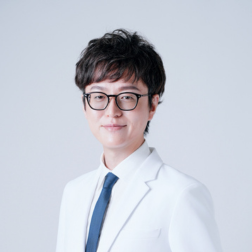
Noriyuki Ishizuka, MD
Director, ARIEL.BUST.CLINIC
Dr. Noriyuki Ishizuka is a board-certified plastic surgeon in Nagoya, Japan, specializing in breast augmentation (including fat transfer) and liposuction. In his articles, he explains the benefits, limitations, and risks of each option from a surgeon’s point of view.
Board-certified plastic surgeon, Japan Society of Plastic and Reconstructive Surgery (JSPRS) / Board-certified aesthetic surgeon, Japan Society of Aesthetic Plastic Surgery (JSAPS)
Plan for a longer breast augmentation stay before you book
Arrive knowing where you’ll sleep, how you’ll change your return flight, and where the reserve will come from.
In my practice, I prefer patients to stay long enough for us to watch healing through suture removal whenever travel allows. That means about one week after surgery. This is my guide, not a promise, and the right length depends on the procedure and the homeward route.
What can extend a breast augmentation stay
Most patients complete their planned visit without any major issues. Extended stays typically result from early wound complications, slower recovery, or changes in follow-up needs that affect the safe discharge date.
Early problems that may add days
Hematomas, infections, and reopened wounds can lead to additional clinic visits and extended hospital stays. The numbers below pertain to registry and review populations and do not predict individual outcomes.
In a registry of 73,608 aesthetic breast procedures in the United States, 1.46% experienced a major complication within 30 days, with hematoma being the most common at 0.99%.1
In a separate outpatient registry, 1.20% of breast augmentations resulted in an unplanned readmission. For fat-transfer breast augmentation, a review reported hematoma rates at 0.5% and infection rates at 0.6%.3
Recovery can also take longer than expected
Pain and stiffness can last for weeks, which may leave a patient who intended to leave early feeling unable to manage their luggage or endure a long flight. In a study involving 109 women who experienced complications from cosmetic surgery abroad, the average hospital stay for those admitted was 5.2 days.4
Costs that rise when your return date moves
Each additional day increases multiple expenses. A review of 24 individuals treated at an academic center after cosmetic surgery found that the costs of addressing complications could exceed those of the original procedure.5
Japan estimates to check before travel
Japan’s travel guidance suggests budget hotels start at ¥6,000 per night and mid-range hotels at around ¥10,000. Casual meals typically cost between ¥500 and ¥1,000. Verify current rates on a booking site.
| Cost | How to estimate | Who can confirm |
|---|---|---|
| Lodging | Multiply the nightly rate by the extra nights | Accommodation booking site |
| Return flight change | Check the fare difference plus any change fee | Airline or booking agency |
| Meals | Allow ¥500 to ¥1,000 per casual meal | Booking area or hotel |
| Local transport | Add train and taxi fares for extra clinic visits | Transit maps and clinic location |
| Companion | Count extra nights, meals, and any missed work | Travel companion and employer |
| Missed work | Estimate lost income for each added day | Employer or client |
A survey in Nagoya found that the average one-night lodging cost is ¥12,542, rising to ¥31,402 for international travelers. Because the survey doesn’t clarify whether these figures are per person or per room, treat them as general city-level guidelines.
Build a reserve for a longer stay
Calculate the reserve based on the anticipated daily expenses. Government travel guidance for planned medical care abroad advises patients to budget for the total cost of an extended stay and to anticipate that any additional care will be their financial responsibility.
Keep this money in yen, separate from the surgery fee. Cash still matters at small shops and some guesthouses, and having a physical reserve can help on nights when a card terminal is unavailable.
Before departing, confirm your permitted stay with the nearest Japanese embassy or consulate. After arriving in Japan, check with the Immigration Services Agency. Avoid copying another traveler’s plan, as entry and extension rules differ by nationality.
Choose flights and lodging you can change
When surgery is involved, budget for flexible travel arrangements.
Before you confirm the surgery, clarify four important details.
- Choose a return fare that allows date changes with a stated fee.
- Reserve lodging that can be extended or canceled with clear notice.
- Ask the clinic what first-week follow-up visits are expected.
- Set aside yen for extra nights, meals, and local transport.
Before making any payments, please review the change terms, as a flexible label may still conceal fare differences or indicate a sold-out room block.
Our clinic in Nagoya, Japan, offers consultations in English, and you can reach us by email or on our official LINE before you travel. After surgery, you can contact us the same way, and we will give you your surgical records.
Frequently asked questions
- How much extra should I set aside for a longer stay?
-
Set aside at least the cost of extra nights in your planned lodging, plus the airline’s stated change fee and a daily food and transport allowance. Request the current nightly rate and fare difference, then add those figures to the surgery budget.
- Will my travel insurance pay for an unplanned longer stay?
-
Because most basic travel insurance policies exclude a planned procedure abroad, they rarely cover extra nights caused by a surgical complication.
Ask the insurer whether the policy covers the procedure and any related hospital stay, then keep your own yen reserve as the main fallback.
- What should I ask the clinic before I book surgery?
-
Ask what follow-up visits are expected in the first week, how long the doctor prefers you to stay, how to contact a clinician if a problem arises, and whether any additional postoperative visits would be billed separately.
- How do I check if I can stay in Japan longer?
-
Contact the nearest Japanese embassy or consulate before you travel and confirm your permitted stay with the Immigration Services Agency. Because rules vary by nationality and travel purpose, ask about your own situation rather than relying on a general extension rule.
References
1. Gupta, V., Yeslev, M., Winocour, J., Bamba, R., Rodriguez-Feo, C., Grotting, J. C., & Higdon, K. K. (2017). Aesthetic Breast Surgery and Concomitant Procedures: Incidence and Risk Factors for Major Complications in 73,608 Cases. Aesthetic Surgery Journal, 37(5), 515-527. https://doi.org/10.1093/asj/sjw238
2. Mioton, L. M., Alghoul, M. S., & Kim, J. Y. (2014). A comparative analysis of readmission rates after outpatient cosmetic surgery. Aesthetic Surgery Journal, 34(2), 317-23. https://doi.org/10.1177/1090820X13519796
3. Ørholt, M., Larsen, A., Hemmingsen, M. N., Mirian, C., Zocchi, M. L., Vester-Glowinski, P. V., & Herly, M. (2020). Complications after Breast Augmentation with Fat Grafting: A Systematic Review. Plastic and Reconstructive Surgery, 145(3), 530e-537e. https://doi.org/10.1097/PRS.0000000000006569
4. Klein, H. J., Simic, D., Fuchs, N., Schweizer, R., Mehra, T., Giovanoli, P., & Plock, J. A. (2017). Complications After Cosmetic Surgery Tourism. Aesthetic Surgery Journal, 37(4), 474-482. https://doi.org/10.1093/asj/sjw198
5. Duggan, R. P., Zapata-Sirvent, R. L., Padilla, P. L., Hamati, J. S., Lopez, A., & Phillips, L. G. (2025). Unanticipated Economic Burden of Cosmetic Surgery Tourism: A Single Academic Center’s Experience. Aesthetic Plastic Surgery, 49(12), 3504-3511. https://doi.org/10.1007/s00266-024-04516-x