If you are traveling to Japan for breast augmentation, start your accommodation budget by calculating the total number of nights you’ll need, rather than focusing only on the nightly rate.
It is generally recommended to plan for about one week of recovery after surgery. However, if a longer stay isn’t feasible, two to three nights may suffice, provided a healthcare professional at home is available to remove the stitches.
Written by
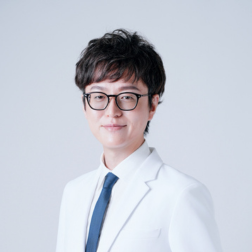
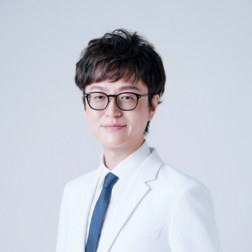
Noriyuki Ishizuka, MD
Director, ARIEL.BUST.CLINIC
Dr. Noriyuki Ishizuka is a board-certified plastic surgeon in Nagoya, Japan, specializing in breast augmentation (including fat transfer) and liposuction. In his articles, he explains the benefits, limitations, and risks of each option from a surgeon’s point of view.
Board-certified plastic surgeon, Japan Society of Plastic and Reconstructive Surgery (JSPRS) / Board-certified aesthetic surgeon, Japan Society of Aesthetic Plastic Surgery (JSAPS)
Start with how many nights you will need
I prefer to set the nights first, because a longer stay in a modest room can cost more than a short stay in a larger one.
When possible, I ask patients to stay for one week from the day of surgery. That window lets me see the healing through suture removal, which gives me a clearer picture before a long trip home.
If you cannot stay a week, a two-to-three-night stay can be acceptable when you have a clear plan for stitch removal in your home country. I consider that shorter stay reasonable after silicone breast augmentation or a hybrid procedure with only a small amount of liposuction, even when the flight home is long.
I ask for the full week when the surgery includes extensive liposuction, when the body is larger and more fat is removed, or, after other procedures, when the return flight is very long. These are estimates, not a promise that a particular day will feel right, and the decision depends on the procedure and your recovery.
The one-week figure is my personal guide, not a promise. It does not include extra time for sightseeing. Add those days separately.
Estimate breast augmentation accommodation costs by room type
After setting the number of nights, multiply it by a realistic nightly rate. The guide prices below are starting points for accommodation in Japan and should not be considered final quotes for your specific dates.
Starting rates for common room types
| Room type | Typical starting rate | Who it suits |
|---|---|---|
| Youth hostel | from about ¥3,000 per night | Budget travelers who can handle shared spaces |
| Guesthouse (single room) | from about ¥2,000 per night | A private room on a small budget |
| Budget hotel (single room) | from about ¥6,000 per night | Simple hotel rooms near train lines |
| Mid-range hotel (double room) | from about ¥10,000 per night | More space and quiet |
| Four-star hotel (double room) | from about ¥30,000 per night | Hotel services and limited walking |
| Luxury hotel (double room) | from about ¥40,000 per night | A calm room with staff support |
These are the national guide rates, but actual rates may be higher during busy weeks. Check the reservation site for your specific dates, and note that some small guesthouses accept only cash.
A seven-night stay at these starting rates would begin around ¥42,000 in a budget hotel or ¥70,000 in a mid-range hotel, before seasonal changes and service fees. Those totals cover the room only. Meals and local travel are separate.
What Nagoya stays cost on average
Citywide averages help you check whether a quote is reasonable, but they do not replace a confirmed room rate for your dates.
A 2024 Nagoya visitor survey reported an average accommodation cost of ¥12,542 per night across all respondents. Among respondents from outside Japan, the average was ¥31,402.
Those figures cover many types of travelers and rooms. A nightly rate near ¥12,000 may reflect a budget hotel or guesthouse, while a rate closer to ¥31,000 may come from a higher-end hotel. Compare the same room type rather than the city average alone.
The higher average among respondents from outside Japan can reflect hotel choice or trip length.
Choose a room that fits the first week of breast augmentation recovery
During the first week, the room is less about style and more about quiet, easy access, and sufficient space to rest without many stairs. A hotel gym or large lobby isn’t a priority.
What to confirm before you book
- A rate you can change if the surgery date moves
- A location within a short walk or taxi ride of the clinic
- An elevator and a private bathroom for the first few days
- A refrigerator or nearby convenience store for light meals
A 2024 study followed 48 patients who underwent an enhanced recovery pathway after aesthetic breast surgery, with most returning to daily activities within five days.1
In a study of 122 breast augmentation patients, those who participated in an enhanced recovery program could raise their arms freely after an average of 2.3 days. In contrast, patients in the usual care group took an average of 5.5 days.2
Pain can last longer than movement recovery. In a study of 355 ambulatory surgery patients, pain and limited mobility were common one to two weeks after breast augmentation, with 11% still reporting pain four weeks later.3
Serious complications are rare. In a registry study of 73,608 aesthetic breast procedures, major complications within 30 days occurred in 1.46%, with hematomas at 0.99% and infections at 0.25%.4
In a review of 2,906 breast augmentation patients, one surgeon found that 95% returned to their daily lives within 24 hours. However, this result reflects one operator’s specific method rather than a universal standard.5
Keep your booking flexible and early
A refundable rate is more valuable than a small nightly saving, especially when surgery dates are uncertain. During peak travel weeks in Japan, prices increase, and rooms fill up quickly.
New Year’s, Golden Week, and summer are the busiest times. If your surgery is scheduled around those dates, book as soon as possible.
Start by creating a list of acceptable hotels, then narrow it down based on their cancellation policies and walking distance to the clinic. Choosing a hotel with flexible cancellation terms lets you adapt if your schedule changes because of a follow-up visit or other complications.
Our clinic is a short walk from Nagoya Station in Japan, and consultations are in English. You can reach us by email or official LINE before you travel and after surgery, and we give you your surgical records.
Frequently asked questions
- How many nights should I book after breast augmentation?
-
Plan for about one week from the day of surgery when possible. If you cannot stay that long and your home provider will remove the stitches, a two-to-three-night stay may be enough for silicone breast augmentation or a low-volume hybrid procedure.
- What is a normal nightly room rate in Japan?
-
A guesthouse single room starts at about ¥2,000, a budget hotel single at about ¥6,000, and a mid-range hotel double at about ¥10,000. Higher-end hotels start around ¥30,000 or more, and the exact amount depends on the season.
- Does Nagoya have expensive accommodation near the clinic?
-
Nagoya has options across the same range. A 2024 visitor survey showed an average of ¥12,542 per night across all respondents and ¥31,402 among respondents from outside Japan.
- Will any insurance cover my recovery hotel?
-
Japanese public health insurance does not apply to this planned cosmetic surgery, and it will not cover lodging. Standard travel insurance usually does not cover planned procedures abroad. Ask your insurer which post-surgery costs it will pay before you book.
References
1. Stahl, S., Santos Stahl, A., Feng, Y. S., Estler, A., Buiculescu, F., & Seabra Robalo Gomes Jorge, A. C. (2024). Enhanced Recovery After Surgery (ERAS) Pathways for Aesthetic Breast Surgery: A Prospective Cohort Study on Patient-Reported Outcomes. Aesthetic Plastic Surgery, 48(2), 84-94. https://doi.org/10.1007/s00266-023-03392-1
2. Xia, Z., Chen, Y., Xie, J., Zhang, W., Tan, L., Shi, Y., Liu, J., Wang, X., Tan, G., & Zeng, A. (2023). Faster Return to Daily Activities and Better Pain Control: A Prospective Study of Enhanced Recovery After Surgery Protocol in Breast Augmentation. Aesthetic Plastic Surgery, 47(6), 2261-2267. https://doi.org/10.1007/s00266-023-03504-x
3. Brattwall, M., Warrén Stomberg, M., Rawal, N., Segerdahl, M., Jakobsson, J., & Houltz, E. (2011). Patients’ assessment of 4-week recovery after ambulatory surgery. Acta Anaesthesiologica Scandinavica, 55(1), 92-8. https://doi.org/10.1111/j.1399-6576.2010.02322.x
4. Gupta, V., Yeslev, M., Winocour, J., Bamba, R., Rodriguez-Feo, C., Grotting, J. C., & Higdon, K. K. (2017). Aesthetic Breast Surgery and Concomitant Procedures: Incidence and Risk Factors for Major Complications in 73,608 Cases. Aesthetic Surgery Journal, 37(5), 515-527. https://doi.org/10.1093/asj/sjw238
5. Seren, J. M., Cervantes, A., Fontbona, M., Cortinas, F., Abrile, G., & Mayer, H. F. (2025). A Decalogue on Enhanced Recovery After Breast Augmentation Surgery (ERABAS). Aesthetic Plastic Surgery, 49(1), 198-204. https://doi.org/10.1007/s00266-024-04231-7